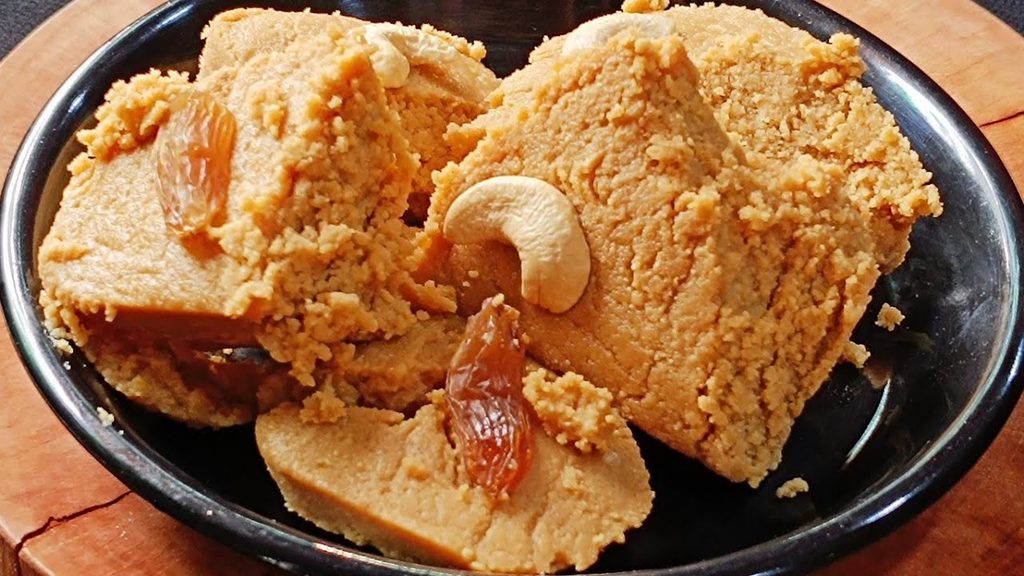
Winter in Bengal is incomplete without the delicious aroma of date palm jaggery, or khejur gur, and traditional Bengali sweets. This Khejur Gur Makha Sandesh is a wonderfully soft, creamy, and flavourful homemade sweet prepared with fresh chhena, milk, and seasonal date palm jaggery.
The best part? You don’t need complicated ingredients or special sweet-making skills. With a little patience while kneading the chhena and cooking the mixture, you can make a delicious Bengali sweet at home that is perfect for winter celebrations, family gatherings, and festive occasions.
The secret to this recipe is using freshly prepared chhena, mixing it until smooth, and adding the liquid date palm jaggery at the right stage. Once set, the sandesh develops a rich, traditional flavour that pairs beautifully with the natural sweetness of khejur gur.
Ingredients for Khejur Gur Makha Sandesh
- 1 litre full-cream milk
- 2 tablespoons vinegar
- 2 tablespoons water, for mixing with the vinegar
- A little water for the cooking pot
- ¼ teaspoon ghee
- A little more than ½ cup milk, for cooking the chhena
- Approximately 6 tablespoons date palm jaggery, added in stages
- 3 tablespoons liquid date palm jaggery, added near the end
- 2 small green cardamom pods, lightly crushed (optional)
- A few cashews and raisins for garnish
Note: The jaggery quantity is based on the amounts described in the recipe. Adjust it according to the sweetness and consistency of your khejur gur.
How to Make Khejur Gur Makha Sandesh
Step 1: Prepare the milk
Pour a little water into a heavy-bottomed pot and swirl it around. This simple step can help reduce milk sticking to the bottom of the pot.
Add the milk and heat until it comes to a boil. Once the milk has boiled, switch off the heat.
Step 2: Prepare the chhena
Mix the vinegar with two tablespoons of water. With the heat switched off, gradually add the vinegar mixture to the hot milk while stirring gently.
Within a short time, the milk will separate into soft chhena and pale greenish whey. Stir gently for around 10 seconds to help the milk separate completely.
Avoid keeping the heat on while adding the vinegar. This helps prevent the chhena from becoming unnecessarily firm or rubbery.
Step 3: Strain and wash the chhena
Place a clean cotton cloth over a strainer set above a bowl. Carefully pour the separated milk through the cloth.
Rinse the chhena thoroughly with clean water to remove the remaining vinegar flavour. If you use lemon juice instead of vinegar, rinse it well in the same way.
Gather the cloth and leave the chhena in the strainer for approximately one hour to drain excess water.
The chhena should be moist but not dripping wet. Excess water can make the sandesh mixture take longer to cook and set.
Step 4: Knead the chhena until smooth
Transfer the drained chhena to a plate. Knead it thoroughly with the heel of your palm for approximately 15 minutes, or until it becomes soft, smooth, and free of visible lumps.
This step is important for achieving the soft, creamy texture associated with traditional Bengali sandesh.
You can use your hands for better control over the texture. Continue kneading until the chhena forms a smooth mixture.
Step 5: Cook half the chhena with milk
Place a pan over medium heat and add ¼ teaspoon of ghee.
Pour in a little more than half a cup of milk. Add half of the prepared chhena and mix thoroughly until smooth.
Make sure there are no large lumps. Stir continuously so the mixture cooks evenly.
Step 6: Add the date palm jaggery
Add approximately two tablespoons of date palm jaggery and mix well.
Add another two tablespoons of jaggery, followed by another half cup of milk. Stir until everything is evenly combined.
Now add the remaining half of the chhena and mix thoroughly.
The mixture should gradually become creamy and uniform. Keep stirring over medium heat, adjusting the flame if necessary to prevent sticking.
Step 7: Add cardamom if desired
Lightly crush two small cardamom pods and add them to the mixture if you enjoy their aroma.
Cardamom is optional. Some people prefer the natural fragrance of date palm jaggery without any additional spice, so you can leave it out to let the khejur gur flavour shine through.
Step 8: Cook until the mixture thickens
Continue cooking and stirring until the excess moisture evaporates and the mixture becomes thick.
Add approximately three tablespoons of liquid date palm jaggery and mix thoroughly.
Cook just until the mixture reaches a thick, mouldable consistency. Do not overcook it, as the sandesh will become firmer as it cools.
The final mixture should be thick enough to hold its shape but still soft and moist.
Step 9: Transfer and set
Transfer the warm mixture into a clean mould or a suitable glass or aluminium container.
Spread it evenly and gently press it into shape. Allow it to cool, then leave it undisturbed for approximately three hours so that it can set.
The setting time may vary depending on the moisture content and the type of jaggery used.
Step 10: Garnish and serve
Once the sandesh has set, garnish it with a few cashews and raisins.
Your homemade Khejur Gur Makha Sandesh is ready to serve. Enjoy this traditional Bengali winter sweet with family and friends.
Tips for Perfect Khejur Gur Makha Sandesh
- Use fresh full-cream milk: It helps produce rich, creamy chhena.
- Switch off the heat before adding vinegar: This helps keep the chhena soft.
- Wash the chhena well: This removes the residual sourness from vinegar or lemon juice.
- Drain excess water: Too much moisture can make the mixture difficult to thicken.
- Knead patiently: Smooth chhena helps create a creamy, uniform texture.
- Add jaggery gradually: Date palm jaggery varies in sweetness, so taste and adjust as needed.
- Avoid overcooking: The mixture firms up further as it cools.
- Treat cardamom as optional: Leave it out if you prefer the pure aroma of khejur gur.
Frequently Asked Questions
What is Khejur Gur Makha Sandesh?
Khejur Gur Makha Sandesh is a traditional Bengali sweet made by cooking fresh chhena with milk and date palm jaggery. It is especially popular during the winter season when fresh khejur gur is available.
Can I use lemon juice instead of vinegar to make chhena?
Yes. Lemon juice can be used to separate the milk. Rinse the chhena thoroughly after straining to remove any remaining sour flavour.
Why does my sandesh mixture remain too soft?
Excess moisture in the chhena or insufficient cooking can make the mixture too soft. Drain the chhena properly and cook the mixture until it thickens, without allowing it to become dry.
Can I skip cardamom?
Absolutely. Cardamom is optional, and skipping it allows the natural aroma of date palm jaggery to stand out.
How long should I let the sandesh set?
The recipe allows approximately three hours for setting. The exact time depends on the moisture content and consistency of the mixture.
Final Thoughts
This Khejur Gur Makha Sandesh brings together the comforting flavours of fresh chhena, milk, and seasonal date palm jaggery in one delicious Bengali sweet. It is a wonderful homemade treat for winter, festive occasions, and family gatherings.
Try this recipe at home and enjoy the traditional taste of Bengal’s winter sweets.
For more Bengali recipes, traditional sweets, and homemade cooking inspiration, follow BengaliPaakshala.